
In the competitive industry of gastronomy, the flavor of success is not only found in the dishes served but also in the uniqueness of its presentation. A restaurant’s brand identity is more than just a logo or a menu; it’s the essence that captures the hearts and palates of customers, creating a memorable experience that beckons them to return. It’s an intricate blend of design, cuisine, and customer experience that when perfected, solidifies a restaurant’s place in the market. Let’s explore the essential ingredients that will help whisk your brand into a savory sensation.
Understanding Your Brand's Core
The journey of brand creation begins with self-discovery. Knowing the core values and the story behind your restaurant is pivotal. It’s the foundation upon which your brand identity is built. Customers are drawn to stories and values that resonate with their own. Crafting this narrative requires thoughtful consideration and can be the difference between being just another dining option or becoming a landmark.

Start by asking yourself the reasons why your restaurant exists beyond just making a profit. Is it to offer an innovative culinary experience, to honor traditional recipes, or perhaps to promote sustainability? Your mission statement should be a clear and concise reflection of your restaurant’s purpose, beliefs, and the unique value it offers to customers.
Visual Identity and Design
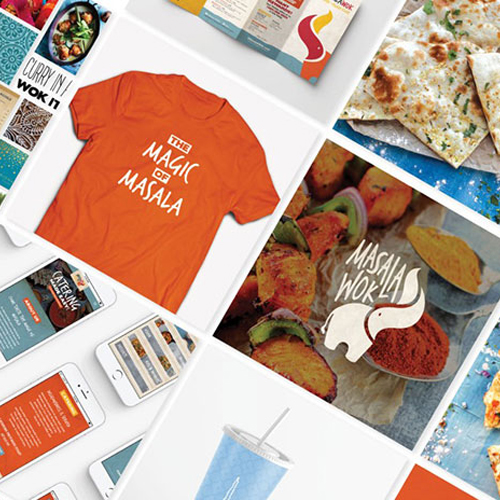
They say, “You eat with your eyes first,” and the same goes for branding. The visual components of your restaurant’s brand identity, which include the logo, colors, and typography, should be appetizing to the eye as your cuisine is to the palate. These elements need to work harmoniously to convey the overall ambiance and theme of your restaurant.
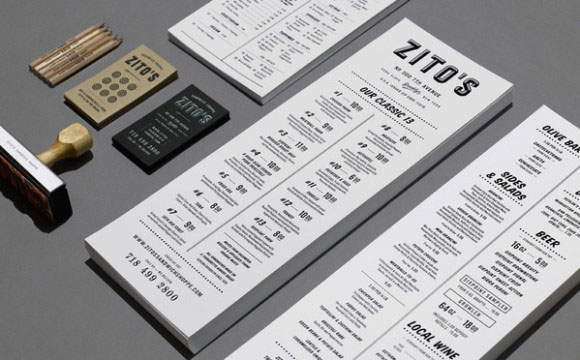
Your logo should capture the essence of your restaurant in a glance. It’s the symbol that would stick in the minds of customers, reminding them of the taste and experience you offer. Renowned design firms, like Pentagram, can attest to the power of a well-designed logo. Ensure your logo is versatile, scalable, and reflective of your restaurant’s personality.
Colors and fonts have psychological effects that can influence how customers perceive your brand. For instance, red is known to stimulate appetite, which might explain its prevalence in the fast-food industry as noted by Color Psychology. Pair your color scheme and typography with the emotions you wish to evoke and the narrative you want to tell.
The Guest Experience
How customers feel when they interact with your brand, from browsing your website to enjoying their meal, impacts your brand identity profoundly. The experience should be cohesive and reflective of your brand’s core values and aesthetic.

Whether it’s through the ambiance, service style, or plating aesthetics, each touchpoint should reinforce your brand identity. Consistency ensures that the brand experience remains intact, regardless of how or where the customer interacts with your restaurant.
In today’s digital age, your online presence is a crucial component of your guest experience. A well-designed website and active social media can enhance the visibility and accessibility of your restaurant. Platforms such as Instagram are perfect for showcasing your culinary creations and inviting customers to the dining experience before they step foot in your restaurant.
Menu Design
The menu is the map of your culinary world and should be designed with care. It is often the first tangible introduction to your restaurant’s offerings and has the power to entice and inform.
A menu should be legible and clearly categorize your dishes while mirroring your brand’s voice. Whether it’s artistic and whimsical, or sleek and minimalist, ensure that your menu’s design is an extension of your brand identity.

Effective marketing is storytelling that builds relationships with your customers. It’s about creating narratives that people want to share and participate in.
Share Your Unique Story
Every restaurant has a story, whether it’s the inspiration behind its dishes or the history of its establishment. Platforms such as StoryBrand emphasize the power of storytelling in branding. Share yours through marketing materials, social media, and even within the restaurant itself to connect with your audience on a deeper level.

A brand that engages with its community builds loyalty and trust. Participate in local events, support local producers, and create a network that reflects your brand’s position as a community pillar.
Collaborate with local artists, musicians, or businesses to create a unique community experience. This not only enhances your restaurant’s local presence but also embeds your brand into the cultural fabric of the neighborhood.
Finally, a brand is never static. It evolves by listening to its customers and adapting. Open channels for feedback and show that you value customer input by implementing changes that align with your brand’s mission.
Embrace Customer Feedback
Platforms like Yelp are not just for customer reviews; they’re opportunities for growth. Embrace the feedback, both positive and negative, and use it to refine your brand experience.

Consistency in your brand identity across all channels reassures customers of the quality and experience they can expect every time they visit your restaurant. It reinforces your brand’s message and solidifies your identity within the market.
Your team is the front line of your brand. Train them to understand and embody the brand values, ensuring that each guest interaction is an authentic representation of your restaurant’s identity.